



Explaining the RSVP Meaning and Proper Response Etiquette


RSVP is the shortened form of the French phrase “Répondez s’il vous plaît,” which translates to “Please reply.” It’s a cornerstone of event preparation because it helps the host have a more accurate headcount. Even if you can’t make it to the event, it’s good etiquette to respond to the RSVP so that there isn’t an empty chair with your name on it at the event.
With an estimated headcount well before the special occasion, the host can also make better decisions about catering and the total budget. There are plenty of tips and nuances to learn when it comes to sending out RSVPs and responding to them. Read on so that you can avoid another French phrase: faux pas, which refers to a social blunder.
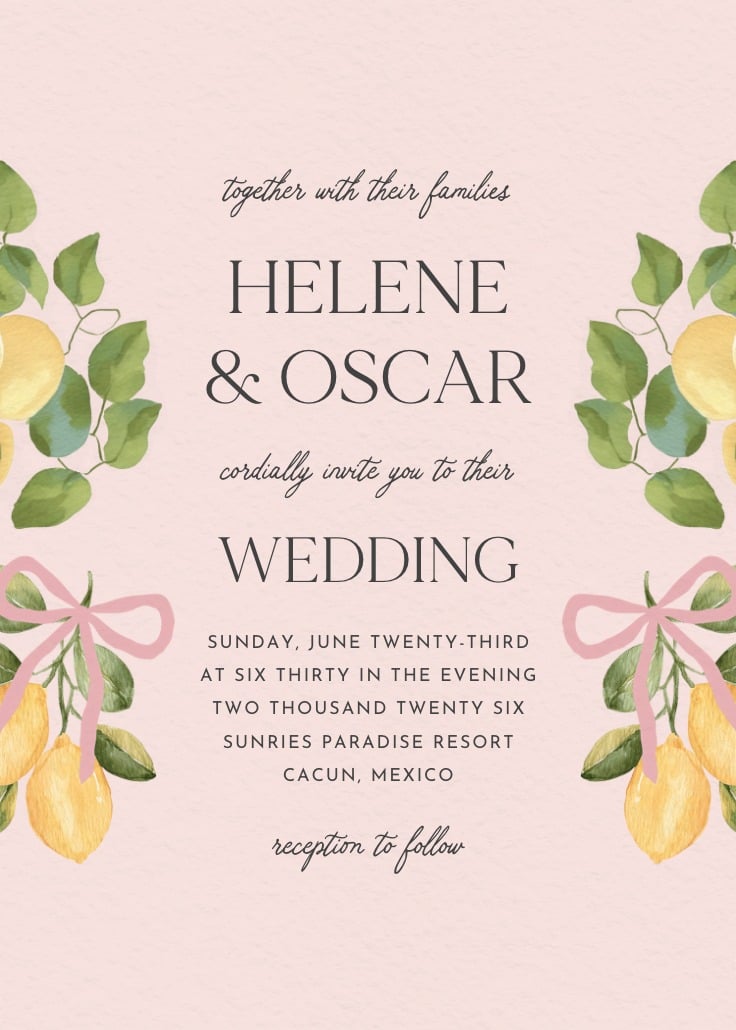
Why Do RSVPs Still Matter?
While the original RSVP meaning comes from formal French etiquette, its purpose is practical and universal. When a host includes RSVP on an invitation, they’re asking for a timely confirmation of attendance. The confirmation is a courtesy that allows them to fine-tune their upcoming arrangements and avoid unnecessary costs.
The exact window for your response depends on the nature of the event and the timeline. As a rule of thumb, you should aim to reply to the RSVP within a few weeks of receiving the invitation, at most, but ideally within a few days or so. While life can get hectic and unpredictable sometimes, the sooner you can give a hard yes or no, the better.
For weddings and other large events, every confirmed guest directly affects the following and more:
- Catering orders
- Rental quantities
- Seating charts
Even for smaller gatherings, knowing who can make it out helps determine how much food to prepare and how to structure the event. Responding as soon as possible shows consideration and respect for the effort and care that goes into every occasion, whether it’s a Galentine’s celebration or a New Year’s Eve party.
Although the acronym RSVP has a traditional origin, the way we respond to it has changed quite a bit. In 2026, RSVP systems can be either physical or digital, and more streamlined than ever before.

The Modern Hierarchy of RSVP
Keep in mind that not every invitation calls for the same exact response method. The formality of the event often determines how you should reply.
For a formal wedding with a printed invitation and RSVP card, the usual method involves mailing the card back or using the couple’s provided wedding website. There should be instructions within the invitation itself. Texting or messaging the couple on social media in this situation is often bad form unless the invitation explicitly allows it.
As for digital wedding invitations or party invitations sent online, the correct method is to respond through the relevant event link. Casual birthday parties or laid-back gatherings have far more wiggle room when it comes to text responses, especially if the host initiates the invitation by message.
Corporate events often require responding through an official registration link rather than by text. The overall etiquette is simple because all you need to do is follow the instructions on the invitation. If a link or card is provided, use it. As a host, it’s your responsibility to ensure that all the information your guests may need is made clear on the invitations that you send out.
Compared to 19th-century France, for instance, modern etiquette is far less about strict formality and more about respecting the host’s chosen system.
How to RSVP Properly
If you’re unsure how to RSVP, don’t worry, because the process should be straightforward. First, make sure you respond before the deadline, which you should find stated on the invitation. Deadlines are tied to vendor requirements and other planning necessities, so waiting until the last minute or missing it entirely can lead to extra stress for the host.
As mentioned earlier, you’ll want to stick to the requested method. If the invitation includes a return card, be sure to mail it. However, if it includes a digital link, then respond online instead.
Avoid using other communication channels unless you absolutely have to. Planning can quickly become hectic if different guests try to RSVP via email, text, snail mail, or other methods. By keeping everything in one place, you’ll make things far easier for the host.
You should also be crystal-clear in your RSVP response. Simply put, a proper RSVP involves either a “Yes” or a “No.” Replies such as “I’ll try,” “Maybe,” or “We’ll see” don’t help the host plan and can leave them unsure about your attendance up until the last second. Remember, you don’t have to respond until the deadline, so do your best to work out the kinks on your end before deciding whether or not you can make it.
Don’t forget to include all requested details. If the invitation asks for a meal selection, the name of a guest, confirmation, or dietary restrictions, provide that info in your reply.

Precise RSVP Wording That Encourages Responses
For hosts, clarity is everything. Many people put off responding because the request feels vague or has no deadline at all. Without a deadline, there’s less sense of urgency.
Traditional RSVP wording often reads something like the following: “Kindly RSVP by June 1st.” While it should be polite, modern wording can get away with being a bit more direct. A clearer and more effective option might look like this: “Please respond by June 1st so we can finalize our guest count.” Adding such context helps guests understand the true importance of their response.
For digital invitations, specifying the method is just as crucial. A line such as “Please RSVP through the link below by June 1st” can increase response rates and reduce confusion even for people who aren’t the most tech-savvy.
Without crystal-clear deadlines and straightforward instructions on your invitations, you’ll be missing the most vital parts of successful RSVP management.
Managing the Follow-Up Without Awkwardness
One of the biggest sources of frustration for hosts is chasing down guests who haven’t responded. Following up is not only a hassle, but it can also feel awkward. Be that as it may, it’s often necessary and worth the effort to ensure the event goes as smoothly as possible.
A short yet polite reminder works best. For example, you might say, “Hi, there! We’re finalizing food for Saturday. Could you please let me know if you can make it?” Doing this keeps the tone friendly while making the response’s time-sensitive nature obvious.
If the deadline is fast approaching, you can add more context: “We need to give the caterer a final number by Friday. Could you kindly let me know if you’ll be joining us?” Mentioning the vendor, in particular, clarifies why you need a response sooner rather than later.
Another surefire strategy is to set a firm but gentle boundary: “If I don’t hear back by tomorrow, I’ll count you as a ‘No.’ Just let me know otherwise. Thanks!” It’s a good way to get closure regarding a person’s attendance while avoiding undue confrontation.
Of course, tracking responses and sending reminders yourself can get overwhelming. That’s why many hosts now take advantage of digital RSVP systems. An online RSVP service automatically tracks guest replies in real time, which allows you to see the following responses at a glance:
- Confirmed
- Declined
- Pending
Instead of juggling spreadsheets and sending repeated texts, you can centralize everything and free up time to plan other aspects of the upcoming occasion. Doing so removes the dreaded guesswork, as well as the stress and awkwardness of follow-ups.

How to Say “No” Without Feeling Bad
Whether it’s a once-in-a-lifetime wedding or a milestone birthday, declining an invitation can make you feel bogged down by discomfort or even guilt. This is natural, but the best thing you can do is offer a clear and kind response to the RSVP request.
A simple, warm message should suffice. For a wedding, you might say, “We’re so honored to be invited. Unfortunately, we have a prior commitment, but we’ll be celebrating you from afar!” For a casual event, feel free to send something as brief as, “So sorry to miss out. I hope you have a great time!”
There’s no need to provide detailed explanations. In fact, overexplaining can fuel unnecessary awkwardness. Hosts don’t need to know about your career-defining job interview, non-refundable vacation flights, family emergency, or any other specifics. A brief, sincere response can get your message across while maintaining the relationship and respecting the host’s planning needs.
What Happens If You Change Your Mind?
There’s no denying that life can be unpredictable. Sometimes you RSVP “Yes” and later find out that you actually can’t attend the event.
While this is unfortunate, the ideal approach is to notify the host right away. Don’t delay, or, worse, ignore the situation, and then fail to show up. A concise message like the following is appropriate: “I’m so sorry about this, but I won’t be able to attend after all. I wanted to let you know as soon as possible.”
Just like with an initial RSVP decline, you don’t need to go out of your way and provide a lengthy explanation. The important thing is prompt communication. The sooner the host knows, the easier it is for them to adjust seating, catering numbers, and the like.
Planning Expectations and the RSVP Timeline
RSVP timelines aren’t one-size-fits-all. Wedding invitations are often sent around six to eight weeks before the event. As such, RSVP deadlines are usually set three to four weeks prior to the actual wedding date because it allows time for follow-ups and final vendor confirmations.
Birthday celebrations tend to have shorter timeframes. Birthday party invitations may go out anywhere from three to four weeks in advance, with responses requested about one week before the event. Of course, if your birthday involves out-of-state or overseas travel plans, then you’ll definitely need to extend the timeframe by at least a few more weeks, if not longer.
Casual dinner get-togethers, on the other hand, don’t need any more than a few days’ notice. Still, some exclusive restaurants may require much more notice than that, so it pays to do some research ahead of sending out invitations with RSVP deadlines.
As a guest, responding within two to three days of receiving the invitation, even if the deadline is farther down the road, is considered thoughtful and is always appreciated.

Why Online RSVP Is the Modern Standard
Traditional paper RSVP cards served their purpose for many decades, but they come with some limitations. Cards can get lost in the mail, handwriting from guests might look like confusing chicken scratch, and tracking responses is a job all its own.
Digital RSVP systems solve these issues in one fell swoop. Guests can respond instantly from their smartphones or computers. Hosts can check in on responses in real time and send reminders to non-responders without the awkwardness of personal messages.
For larger events, especially weddings, digital tracking can make all the difference between a successful gathering and a chaotic one. The following details are stored automatically:
- Meal selections
- Plus-one confirmations
- Attendance numbers
Enjoying this level of organization works wonders for reducing your stress leading up to the big day.
If you’re ready to send your beautiful, physical invitations, pairing them with an online RSVP system is the best way to have a streamlined experience for everyone. Whether you’re planning a going-away party or a graduation celebration, you shouldn’t go without the reliability of modern RSVP tools.
Frequently Asked Questions
Knowing the True RSVP Meaning Is the First Step Toward an Amazing Event
The RSVP meaning is as simple as can be: respond when asked. The phrase may come from French tradition, but its purpose applies to any important get-together.
As a host, you’ll want to include the RSVP info and any other pertinent details in your invitations. In addition to gorgeous invitations for every occasion, Greetings Island also makes it a cinch to create and track RSVPs.
There’s no limit to the number of people you can invite. So far, Greetings Island users have invited well over 10 million people to lovely and meaningful occasions around the world. Best of all, it only takes a couple of minutes to get started.

Photo by: Christina Victoria Craft on UnSplash